The power of a magazine cover to capture a moment, define a narrative, or even ignite a firestorm is undeniable. For decades, Time magazine has stood at the forefront of this visual storytelling, its iconic red border framing some of the most pivotal figures and events in history. Recently, however, it wasn't just the content within its pages, but the very image gracing its front, that became a headline in itself, sparking a fascinating and contentious debate around media influence, image control, and the perception of political triumph.
The saga surrounding a recent Time Magazine Cover This Week involving former President Donald Trump offers a rare glimpse into the complex interplay between powerful personalities, venerable publications, and the ever-watchful eye of the public. What began as a feature on a significant diplomatic achievement quickly devolved into a controversy over photographic aesthetics, leading to an unprecedented cover change and questions about journalistic integrity.
The Initial 'Triumph' and Trump's Outcry
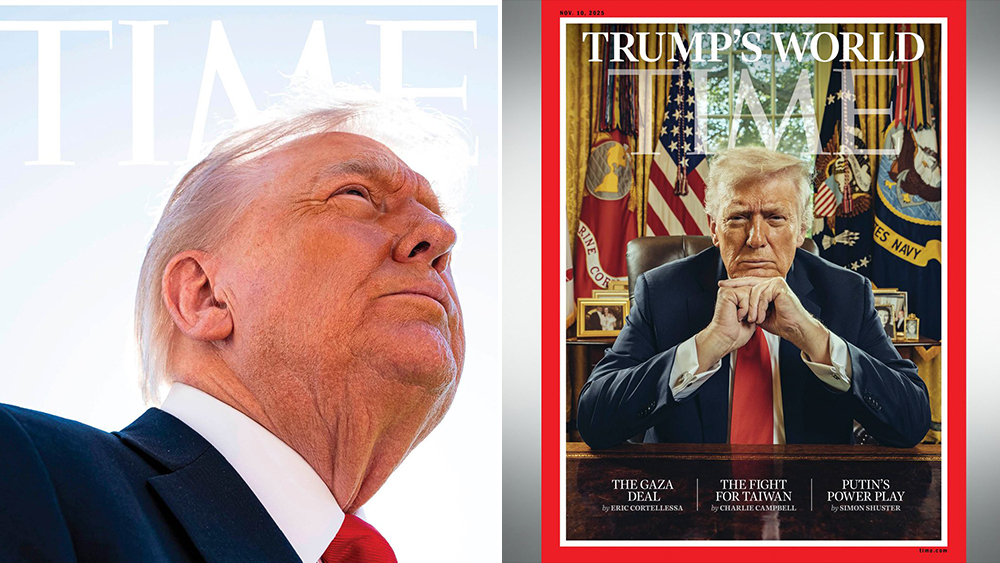
The initial cover, intended for Time's Nov. 10 issue, was designed to spotlight Donald Trump's role in brokering a ceasefire deal between Gaza and Israel. Titled “His Triumph,” the image presented Trump looking upward, framed against a clear sky. It aimed to convey a sense of accomplishment, perhaps even visionary leadership, in a moment of international diplomacy.
However, the former President saw something entirely different. Unveiled on October 14, the cover immediately drew his ire. Taking to Truth Social at 1:36 a.m. ET that night, Trump launched a scathing critique: “Time Magazine wrote a relatively good story about me, but the picture may be the Worst of All Time. They ‘disappeared’ my hair, and then had something floating on top of my head that looked like a floating crown, but an extremely small one. Really weird! I never liked taking pictures from underneath angles, but this is a super bad picture, and deserves to be called out. What are they doing, and why?”
His commentary highlighted not just a dissatisfaction with the aesthetic but a deeply personal affront. The "disappeared hair" and "floating crown" critique underscored a common theme throughout Trump's public life: an intense focus on his physical presentation and how he is perceived visually. For a figure who meticulously cultivates his image, an angle he deemed unflattering, especially one that appeared to distort his signature hairstyle, was unacceptable. The initial Time Magazine Cover This Week, intended to celebrate, instead triggered a very public grievance.
From 'Worst of All Time' to 'Trump's World': The Cover Transformation
In a move that surprised many, Time magazine released a second, entirely different cover just days after Trump's public outcry. This new edition featured a dramatically altered image and headline. Gone was the upward-gazing shot and the caption “His Triumph.” In its place was a flattering, straight-on photograph of Trump, his hands clasped thoughtfully under his chin, seated at the Hayes desk. The new headline boldly declared: “TRUMP’S WORLD.”
The transformation was stark. As one observer noted, "What a difference a grievance and a week or so make." The second cover presented a powerful, composed image, one that aligns far more closely with how Trump himself typically wishes to be portrayed. This visual shift occurred despite Time vehemently denying any direct external influence on their editorial decisions. However, speculation ran rife, fueled by earlier reports from Newsweek suggesting potential pressure related to Time owner Salesforce CEO Marc Benioff, claims which Time spokespersons dismissed as “completely untrue” and contributing to misinformation.
The revised cover, accompanying the feature on the Gaza-Israel ceasefire deal, reframed the narrative surrounding a potential "signature achievement" of Trump's second term. It projected an image of a leader in control, contemplative and strategic, precisely the persona often emphasized by his supporters. For an in-depth look at the reasoning and fallout behind this change, explore Time Magazine's Trump Cover Redo: Why the Change?
The Broader Implications: Media Influence, Public Perception, and the Legacy of Covers
The Power of Presidential Imagery
Magazine covers, especially those of a publication like Time, often become historical artifacts, encapsulating the zeitgeist of an era. Presidential portraits, in particular, carry immense weight, shaping public memory and future perceptions. Time has a long history with Donald Trump, having named him Person of the Year in both 2016 and 2024 (a repeated recognition that in itself sparks debate), cementing his place within the magazine's visual legacy.
The rapid change of the cover photo raises significant questions about the boundaries between editorial independence and the influence of powerful subjects. While Time maintains its autonomy, the public perception often leans towards the idea that such a swift, dramatic shift must have been a response to pressure. This fuels concerns, as articulated by some social media commentators, about a potential "compromise of Free Press" or the slippery slope towards a media environment where powerful figures can dictate their own portrayal. The debate around this specific Time Magazine Cover This Week underscores the delicate balance publications must maintain between access to influential figures and preserving journalistic integrity.
Public Reaction and the Digital Age
The digital age amplified this controversy exponentially. Trump's immediate public criticism on Truth Social ensured the original cover's image and his disdain for it spread like wildfire. Social media became a battleground of opinions, with users dissecting every detail of the two images and offering diverse interpretations. One popular comment on Time's Instagram, for instance, dramatically speculated: “One day, maybe decades from today, this cover will be in history books, when describing the compromise of Free Press in a chapter detailing a nation’s rise to fascism.”
This illustrates how swiftly narratives can be formed and challenged online, often moving beyond the initial facts to broader ideological concerns. The speed and reach of platforms like Instagram and Truth Social mean that editorial decisions are instantly subjected to public scrutiny, turning what might once have been an internal debate into a widely discussed public spectacle.
Analyzing the Impact: Beyond the Aesthetics
The Strategic Art of Image Control
Donald Trump has consistently demonstrated a keen understanding of media and image. His critique of the initial Time cover was not merely a superficial complaint; it was a strategic move within a broader, long-term campaign to control his public image. For any public figure, especially a politician, the visual representation is paramount. It communicates authority, strength, and trustworthiness – or, conversely, weakness and incompetence.
This incident offers a valuable insight into how powerful individuals can, and often do, attempt to shape their media portrayal. While journalists strive for objectivity, the reality of gaining access to and reporting on such figures often involves navigating these demands. For aspiring public figures, the lesson is clear: your image is part of your message, and actively managing it is crucial. However, for media organizations, the ethical line of independent reporting versus accommodating a subject's preferences becomes a critical discussion point.
The Gaza Ceasefire and the Narrative Framing
It's crucial not to lose sight of the story the cover was meant to accompany: the Gaza-Israel ceasefire deal. Regardless of political alignment, such a diplomatic breakthrough is a significant event. The visual framing of the achievement, however, deeply impacts its perception. The initial "His Triumph" might have been seen as a straightforward acknowledgment. The revised "Trump's World" elevates it to a more expansive, almost prophetic statement about his influence on global affairs. To delve deeper into the substance of the deal and its controversial framing, read Trump's Gaza Deal & Time Magazine: Inside the New Controversial Cover.
Lessons for Media Literacy
The entire episode surrounding the Time Magazine Cover This Week serves as a potent lesson in media literacy. It encourages readers to look beyond the surface, to question the framing of images, and to consider the potential forces, both visible and invisible, that shape media narratives.
- Practical Tip: When consuming news, especially visually driven content featuring political figures, always ask: What is the angle being used? How might a different angle change the perception? Who benefits from this particular portrayal?
- Actionable Advice: Develop a habit of cross-referencing news from multiple, diverse sources. If an image or headline evokes a strong emotional response, pause and consider if that response is precisely what was intended by its creator. Critical analysis of visual media is more important than ever in our image-saturated world.
Conclusion
The saga of Time magazine's Donald Trump covers, from "His Triumph" to "Trump's World," is more than just a tale of two photographs. It's a vivid illustration of the ongoing tension between media independence, the demands of powerful figures, and the fluid nature of public perception in the digital age. It underscores that magazine covers are not merely decorative; they are potent symbols, capable of sparking intense debate, shaping historical narratives, and challenging the very foundations of how we interpret truth and influence. As the "Trump's World" cover now joins the annals of Time's history, it undoubtedly leaves behind a legacy that will be debated and analyzed for years to come, offering invaluable insights into the ever-evolving landscape of political communication and journalistic ethics.