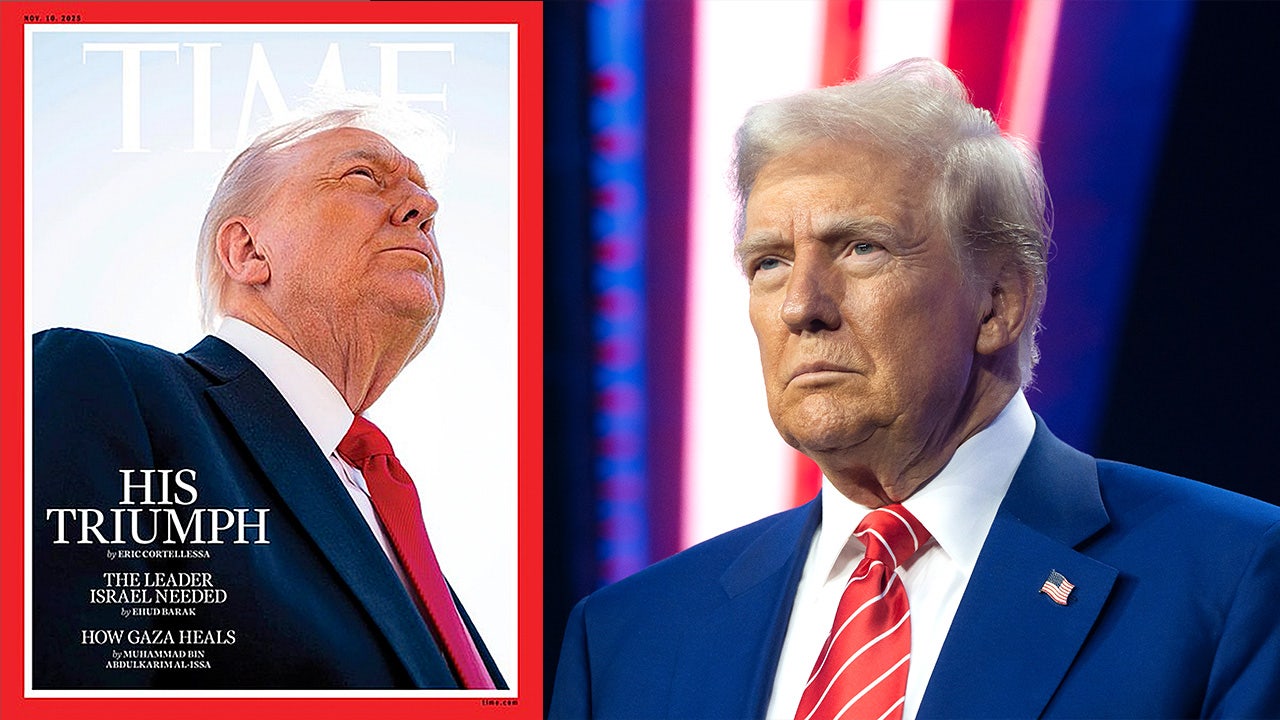
Time Magazine's Latest Controversy: Unpacking Trump's Gaza Deal Cover This Week
Few publications command attention quite like Time magazine, and its latest issue has once again ignited a firestorm of discussion. The focus of the current debate centers around the magazine's depiction of former President Donald Trump, specifically concerning his alleged role in brokering a pivotal ceasefire deal between Gaza and Israel. What began as a standard cover release quickly spiraled into a media spectacle, leading to an unprecedented change in imagery following Trump's public disapproval. This is the story behind the Time Magazine cover this week and the layers of controversy it has unveiled.
The saga spotlights not just the power of a single image, but also the intricate dance between media scrutiny, political figures, and the ever-present influence of social media in shaping public perception. As readers eagerly seek out the Time Magazine's Trump Cover Redo: Why the Change?, understanding the full context requires diving into the diplomatic backdrop and the surprising pushback that redefined the publication's artistic choice.
From "His Triumph" to "Trump's World": The Cover Controversy Unfolds
The initial plan for Time magazine's upcoming Nov. 10 issue featured a striking image of Donald Trump looking upward, framed against a vast sky, accompanied by the bold caption "His Triumph." This cover was intended to complement a significant feature article detailing Trump's involvement in a potential groundbreaking ceasefire agreement between Gaza and Israel. However, this image, once unveiled on October 14th, quickly drew the ire of its subject.
In the early hours of that night, Trump took to his Truth Social platform, vehemently criticizing the chosen photograph. He described it as "the Worst of All Time," lamenting that the image "disappeared" his hair and presented what looked like a "floating crown" above his head. His public outcry was clear: "Really weird! I never liked taking pictures from underneath angles, but this is a super bad picture, and deserves to be called out. What are they doing, and why?"
In a rare move that quickly made headlines as the new Time Magazine cover this week, the esteemed publication responded. A mere week later, a second, distinctly different cover emerged. This revised edition showcased a more traditional, direct shot of Trump, hands clasped thoughtfully under his chin, seated at the Hayes desk. The new subtitle, "Trump's World," conveyed a different message, often interpreted as more deferential or, as some observed, "flattering." This dramatic shift immediately fueled speculation about the pressures faced by legacy media institutions and the sway powerful figures can still hold over their portrayal.
For more details on this fascinating transformation, explore From 'His Triumph' to 'Trump's World': Time Magazine's Cover Saga.
The Gaza Deal: The Diplomatic Context Behind the Controversy
While the visual drama of the cover change captivated many, it's crucial to remember the underlying event that warranted Trump's feature: his supposed role in brokering a ceasefire deal between Gaza and Israel. According to reports, the first phase of this ambitious peace plan has already seen the release of living Israeli hostages held in Gaza, alongside a corresponding release of Palestinian prisoners. This development, if successful in its entirety, could indeed mark a significant diplomatic achievement for Trump.
Such a deal holds the potential to be a strategic turning point for the volatile Middle East region. A successful resolution, or even a substantial de-escalation of conflict, would undeniably be a major foreign policy triumph for any leader, let alone a former president contemplating a future run. The weight of this diplomatic endeavor provided the substance for Time's feature, making the controversy over its visual representation even more noteworthy. It's a testament to how even the most serious geopolitical discussions can sometimes be overshadowed by debates around personality and presentation.
Key Takeaways from the Gaza Deal Context:
- Potential Signature Achievement: The deal is being framed as a potentially defining moment for Trump's post-presidency influence.
- Hostage and Prisoner Exchange: A concrete outcome of the initial phase involved the freeing of Israeli hostages and Palestinian prisoners.
- Regional Impact: Success could significantly alter dynamics in the Middle East.
Media Scrutiny and the Question of Influence
The swift change in the Time Magazine cover this week naturally sparked widespread debate and allegations of external influence. Critics and observers questioned the integrity of journalistic independence, particularly when a powerful subject publicly demands a change. Fueling this speculation were reports, initially circulated by Newsweek, alleging that Salesforce CEO Marc Benioff, owner of Time magazine, had made "waves" over the weekend prior to the original cover's release. These reports hinted at a potential connection between Benioff's actions and the magazine's decision-making process.
However, Time magazine vehemently denied these claims. A spokesperson for the publication issued a strong rebuttal: "There is no connection and claims suggesting otherwise are completely untrue. The references for this photoshoot were past presidential portraits in the Oval Office, including TIME’s own covers. Giving weight to speculation on social media is reckless and contributes to the spread of misinformation." This statement underscores the delicate balance publications must strike between artistic integrity, editorial independence, and public perception.
The controversy highlights a perennial challenge for media outlets: how to portray powerful figures without appearing biased or influenced, especially in an era where social media amplifies every comment and critique. For a magazine with Time's historical gravitas—having named Trump Person of the Year in 2016, among other notable figures—the perceived compromise of editorial control resonated deeply with many. One popular comment on Time's Instagram, reflecting this sentiment, stated: "One day, maybe decades from today, this cover will be in history books, when describing the compromise of Free Press in a chapter detailing a nation’s rise to fascism." While a strong assertion, it captures the intense emotions stirred by the incident.
Navigating Media Narratives in the Digital Age
The entire episode surrounding the Time Magazine cover this week offers valuable insights into the complex media landscape of the 21st century. It's a vivid demonstration of how personal grievances, amplified by social media, can seemingly influence established media institutions. For readers and consumers of news, this event serves as a crucial reminder to critically evaluate the information presented and to consider the various forces at play in its creation.
Tips for Discerning Media Consumers:
- Look Beyond the Headline: Always read the full article, not just the cover image or headline. Context is king.
- Consider the Source: Understand the publication's history, editorial stance, and ownership.
- Fact-Check Claims: Verify information, especially speculative reports on social media, against multiple reputable sources.
- Be Aware of Influence: Recognize that powerful figures often attempt to shape their media portrayals.
- Analyze Visuals: Understand that photography and imagery can be powerful tools of communication, capable of conveying different messages through framing, lighting, and composition.
In an age where information travels at light speed and can be instantly challenged, the power dynamics between public figures and the press are constantly evolving. The Time magazine cover controversy is not merely about an image; it's a microcosm of these broader shifts, underscoring the ongoing debate about media independence, accountability, and the influence of personality in shaping public discourse.
Conclusion
The latest Time Magazine cover this week, depicting Donald Trump and his alleged Gaza deal, has transcended a mere publication release to become a cultural flashpoint. From Trump's outspoken critique of the initial "His Triumph" image to the swift and unprecedented change to "Trump's World," the incident has sparked widespread debate about media independence, the influence of powerful figures, and the nature of public perception in the digital age. While the underlying story of a significant diplomatic breakthrough in the Middle East remains paramount, the controversy surrounding its visual representation serves as a compelling reminder of the intricate relationship between politics, media, and the public. As we navigate an increasingly complex information environment, critical engagement with all forms of media, from prominent covers to social media feeds, remains more essential than ever.